An educational exploration of how the body processes nutrients and the principles of sustainable dietary well-being
Metabolism refers to the chemical processes that occur within living organisms to maintain life. These processes convert the food we consume into energy and building materials for our body's functions.
Understanding the basic principles of metabolic processes helps explain how different foods affect our bodies and why balanced approaches to nutrition matter.
Explore Further

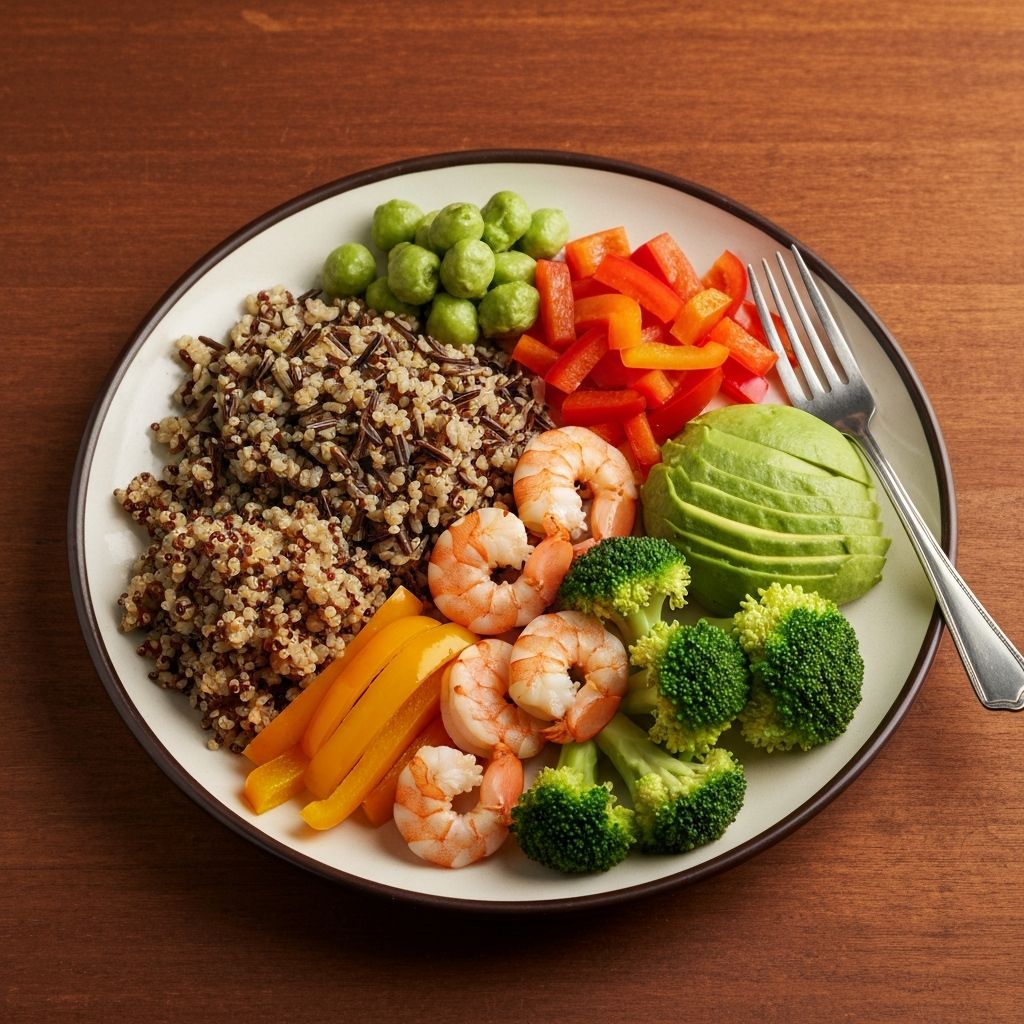
Understanding proteins, carbohydrates, and fats helps explain their roles in energy production and body maintenance. Each macronutrient serves distinct physiological functions.
Vitamins and minerals are essential cofactors in metabolic processes. They support immune function, energy production, and tissue repair throughout the body.
Consuming a variety of whole foods from different food groups ensures a broader spectrum of nutrients and supports sustained well-being across different life stages.
Rather than following extreme or restrictive patterns, understanding how food composition affects the body allows for sustainable approaches to dietary choices.
A balanced approach considers individual variation, cultural preferences, and practical constraints, recognizing that sustainable well-being is deeply personal.
Learn MoreExplore how the body converts nutrients into usable energy through complex biochemical pathways and the role physical activity plays in metabolic processes.
Understand how the digestive system processes and absorbs different nutrients, and factors that influence nutrient bioavailability and utilization.
Recognize the critical roles of adequate water intake and quality sleep in supporting metabolic function and overall physiological balance.
Learn how physical activity, stress management, and consistent routines support metabolic health and sustainable approaches to well-being.
This site provides educational information only. The content presented here is designed to explain principles of human metabolism and nutrition. This is not a substitute for professional medical advice, diagnosis, or treatment. Different individuals may have different nutritional needs based on their unique circumstances. Always consider individual variation when making dietary choices. This content does not provide recommendations for specific medical conditions or serve as a basis for individual dietary planning.
Explore our comprehensive articles to understand the principles of metabolism, nutritional science, and balanced approaches to dietary well-being.
Read Our Articles