Factors Affecting Nutritional Needs
Age and Life Stage
Nutritional needs change across the lifespan. Children require different proportions of nutrients than adults due to growth needs. Adolescents have elevated requirements for certain nutrients. Pregnant and nursing women have increased needs for specific nutrients. Older adults may require different approaches due to changed digestion and absorption patterns.
Physical Activity Level
Sedentary individuals have different macronutrient and energy needs compared to active individuals. Athletes in different sports have different nutritional requirements. The type and intensity of activity performed influence optimal nutritional approaches.
Metabolic and Health Status
Individuals with different metabolic characteristics or health conditions may benefit from different dietary approaches. Some individuals process certain nutrients more efficiently than others. Health conditions can affect nutrient absorption and requirements. Medications can affect nutritional status.
Genetics and Ethnicity
Genetic variation influences metabolic efficiency and how individuals respond to different dietary patterns. Ancestry influences the types of foods traditionally available and the digestive adaptations that have developed. Cultural food traditions reflect both geographic availability and the nutritional wisdom of communities.
The Value of Dietary Diversity
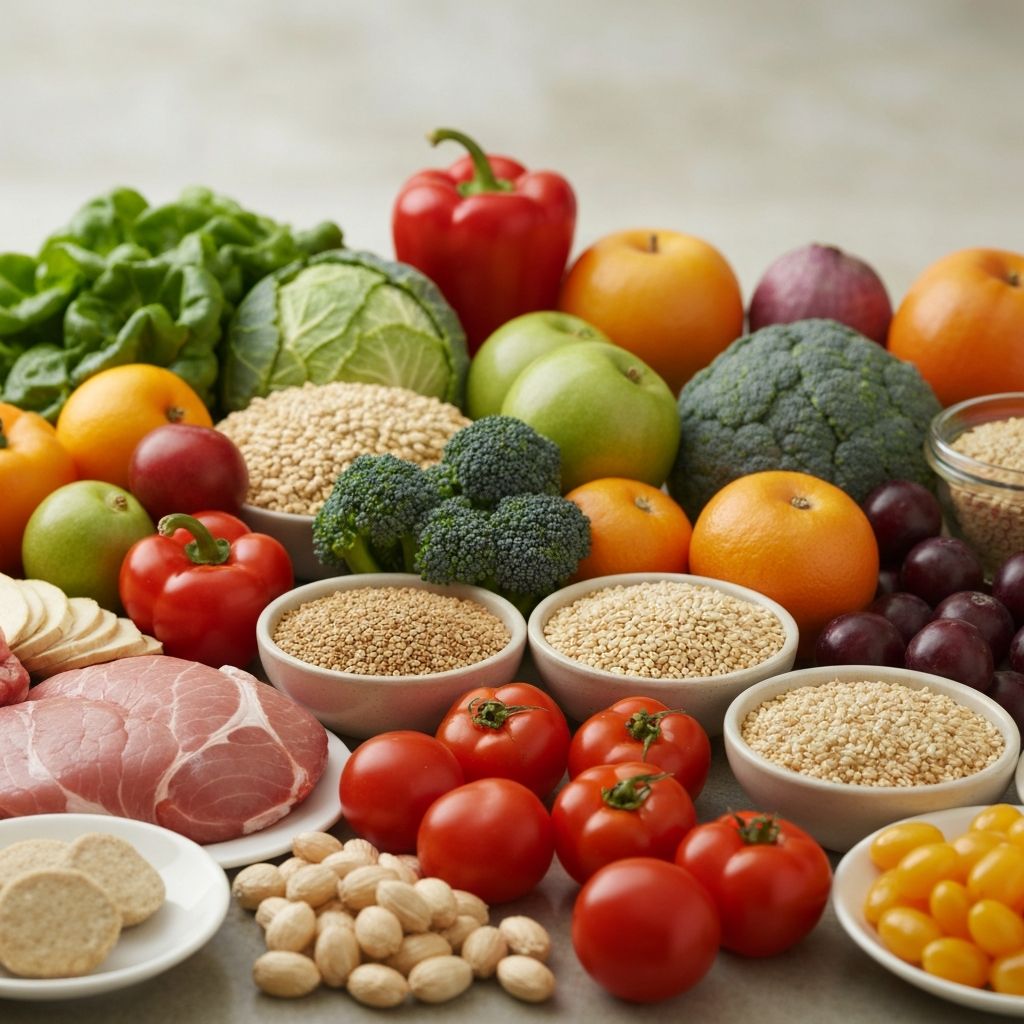
Rather than adherence to a single prescribed diet, sustainability comes from finding approaches to dietary diversity that work for individual circumstances. Different food traditions and eating patterns reflect legitimate diversity in how humans can achieve nutritional adequacy.
Sustainable Well-being Integration
Sustainable approaches to nutrition consider practical constraints including food availability, cultural preferences, budget limitations, cooking skills, and time availability. These practical factors are as important as physiological needs when determining what approaches are actually sustainable for individuals.
Summary
Understanding dietary diversity and individual variation helps explain why sustainable approaches to nutrition are fundamentally personal. Rather than searching for a universal "best" diet, the goal is finding balanced approaches to consuming diverse whole foods in patterns that support individual health and well-being within practical constraints.