Vitamins
Vitamins are organic compounds that function as cofactors in enzymatic reactions. They are classified as either water-soluble (B vitamins and vitamin C) or fat-soluble (vitamins A, D, E, and K). Each vitamin has distinct roles in supporting metabolic processes, immune function, vision, bone health, and antioxidant protection.
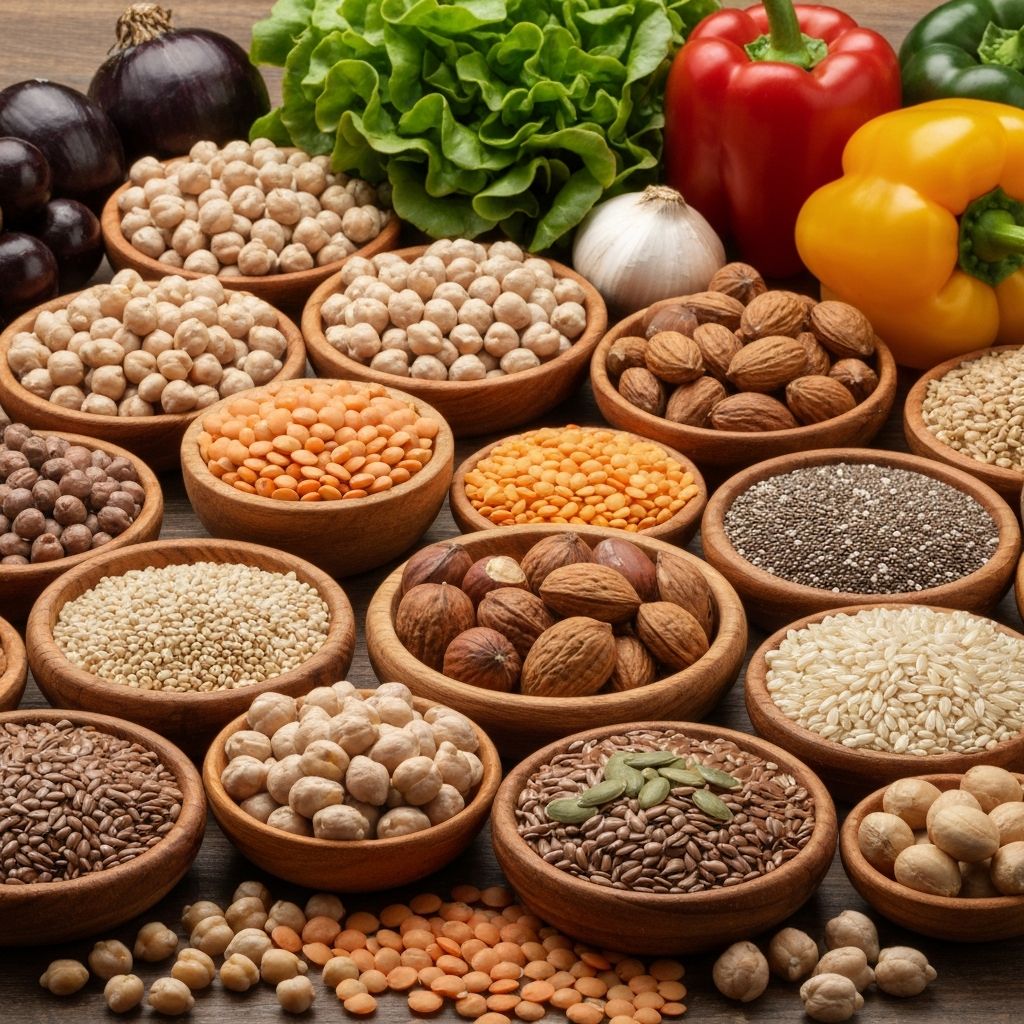
Vitamins are obtained primarily through dietary sources including vegetables, fruits, whole grains, legumes, and animal products. The diversity of available food sources allows for obtaining vitamins through varied dietary approaches.
Minerals
Minerals are inorganic elements that serve structural, regulatory, and catalytic functions. Key minerals include iron (oxygen transport), calcium and phosphorus (bone structure), potassium (nerve and muscle function), magnesium (enzyme function), zinc (immune function), and others. Each mineral participates in specific physiological processes.
Mineral-rich foods include leafy greens, nuts, seeds, legumes, whole grains, and animal products. Obtaining minerals from diverse food sources ensures a broad spectrum of micronutrient intake.
Interconnected Functions
Micronutrients often work synergistically. For example, vitamin D enhances calcium absorption, and vitamin C improves iron absorption. This interconnectedness highlights the importance of consuming diverse foods rather than relying on isolated nutrients.
Individual Needs Variation
Micronutrient requirements vary based on age, sex, life stage (including pregnancy and lactation), health status, activity level, and other factors. Rather than a single micronutrient requirement existing for all individuals, diverse approaches to obtaining adequate micronutrients can be appropriate for different people.